Understanding Cut Culture: The Psychological and Physiological Damage of Circumcision
Understanding Cut Culture: The Psychological and Physiological Damage of Circumcision
Written By: ✌️💚🥑🍌 𝘼𝙫𝙤𝙘𝙖𝙙𝙤𝙅𝙖𝙮23 | 𝘼𝙙𝙫𝙤𝙘𝙖𝙩𝙞𝙣𝙜𝘼𝙫𝙤𝙘𝙖𝙙𝙤
(Note: Bonus food for thought after blog)
Circumcision has been deeply ingrained in many societies, often framed as a medical, religious, or cultural norm. However, beneath the surface of this normalized practice lies a complex web of psychological conditioning and physiological damage that shapes the identity, behavior, and health of circumcised men.
This blog will explore:
1. What “Cut Culture” is and How it Shapes Identity
2. The Psychological Impact of Circumcision
3. The Physiological Damage and Sexual Consequences
4. The Silent Epidemic of Circumcision Regret
5. Common Arguments Defending Circumcision—and Why They’re Wrong
6. The Generational Cycle of Trauma—Why Fathers Defend Circumcision
7. How We Can Break the Cycle
1. What is “Cut Culture”?
“Cut Culture” refers to the social conditioning and psychological framework that arises from the normalization of circumcision. In societies where circumcision is the default, people are often unaware of the harm it causes. The conversation is often dismissed, ridiculed, or silenced through gaslighting tactics that prevent men from acknowledging their loss.
This culture promotes:
• Denial and Cognitive Dissonance – Circumcised men are conditioned to believe they are “normal” and even “better” despite being deprived of their full anatomy.
• Mockery of the Intact Male Body – Intact men are often stigmatized as “unclean” or “weird,” reinforcing insecurity and misinformation.
• Shame and Sexual Dysfunction – Men are told that circumcision has “no effect” on pleasure, despite overwhelming evidence to the contrary.
• Father-Son Bonding Through Shared Trauma – Circumcised fathers may insist on circumcising their sons to avoid confronting their own loss.
“Cut Culture” is not just a medical issue—it is a psychological structure designed to protect a damaging practice from scrutiny.
2. The Psychological Impact of Circumcision
Circumcision is often performed in infancy, at a time when the brain is highly sensitive to trauma. The removal of the foreskin causes an extreme stress response in the infant, flooding their system with cortisol and permanently altering their neurological development.
How Circumcision Affects the Mind
• Infant Trauma and PTSD – Studies suggest that early trauma affects brain development, leading to increased anxiety, depression, and emotional dysregulation later in life.
• Dissociation and Numbness – Many circumcised men report feeling disconnected from their body and emotions, a common response to early trauma.
• Defensiveness and Justification – Men who have been circumcised often engage in psychological self-preservation, defending the practice to avoid facing their loss.
• Male Fragility and Aggression – Some researchers propose that circumcision-related trauma may contribute to toxic masculinity, as the pain and loss are repressed rather than processed.
A society that normalizes infant genital cutting teaches men to suppress their pain rather than acknowledge it. This results in generational trauma, where each new generation repeats the cycle to avoid confronting the damage done to them.
3. The Physiological Damage and Sexual Consequences
The foreskin is not a useless flap of skin—it is a highly specialized structure with multiple functions. When removed, a man loses:
• Over 20,000 specialized nerve endings (Meissner’s corpuscles), reducing sensitivity.
• The natural gliding mechanism, which facilitates smooth, frictionless intercourse.
• The frenar band, which is the most sensitive part of the penis.
• Protective lubrication, leading to dryness, irritation, and potential pain during sex.
• Erectile function support, as the foreskin contributes to proper blood flow and stimulation.
How Circumcision Affects Sexuality
• Reduced Sensation – Many circumcised men report needing more aggressive stimulation to feel pleasure.
• Erectile Dysfunction (ED) – Circumcision removes vital nerve endings and affects blood flow, contributing to ED later in life.
• Compensatory Habits – Because natural sensitivity is diminished, circumcised men may develop rougher sexual habits, leading to issues with intimacy.
• Desensitization and Numbness – Over time, the exposed glans keratinizes (develops a layer of thickened skin), further reducing sensation.
Despite being sold as a “harmless” procedure, circumcision fundamentally alters male sexuality in ways most men are never told about.
4. The Silent Epidemic of Circumcision Regret
Circumcision regret is rarely talked about, but it is a growing issue. More men are realizing what was taken from them and seeking ways to heal—both physically and emotionally.
Why Do Men Stay Silent?
• Fear of Ridicule – Society dismisses men who speak out, calling them “obsessed” or “crazy.”
• Lack of Knowledge – Many men don’t even realize what circumcision took from them until much later in life.
• Gaslighting by Doctors & Society – When men report problems, they are often told “it’s in your head” or that their issues are unrelated to circumcision.
• Feelings of Betrayal – Many circumcised men struggle with anger toward their parents, doctors, or religious institutions.
For those who regret being circumcised, there are ways to heal—through foreskin restoration, therapy, and advocacy.
⸻
5. Common Arguments Defending Circumcision—And Why They’re Wrong
🚫 “Circumcision is cleaner!”
✅ Proper hygiene makes an intact penis no less clean than a circumcised one. Soap and water work just fine.
🚫 “It prevents infections!”
✅ The rates of penile infections are low in both intact and circumcised men. UTIs are rare and easily treated with antibiotics.
🚫 “I’m circumcised, and I have no issues.”
✅ You don’t miss what you never had. Many men only realize what they lost after learning about the foreskin’s functions.
🚫 “It’s a minor procedure!”
✅ The foreskin is a highly specialized structure with over 20,000 nerve endings. The loss is significant.
⸻
6. The Generational Cycle of Trauma—Why Fathers Defend Circumcision
Many circumcised fathers feel compelled to circumcise their sons to avoid confronting their own trauma.
• “I went through it, and I’m fine!” → Denial protects them from facing their loss.
• “I don’t want my son to look different.” → Fear of being confronted with their own altered state.
• “Doctors say it’s healthier!” → A need to justify their parents’ decision.
This cycle continues because admitting circumcision was unnecessary is too painful for many men to face.
⸻
7. How We Can Break the Cycle
Ending “Cut Culture” requires both education and open conversation. Here’s how we can start:
Educate Yourself and Others
• Learn about the functions of the foreskin and share this knowledge.
• Challenge the misconceptions about hygiene, disease prevention, and “benefits” of circumcision.
Advocate for Genital Integrity Laws
• Push for legislation that protects boys from forced genital cutting.
Raise Awareness Through Media & Art
• Use humor, memes, and storytelling to reach a broader audience.
Breaking free from “Cut Culture” is about restoring bodily autonomy, sexual health, and emotional well-being.
⸻
Final Thoughts
Circumcision is not just a physical procedure; it is a cultural system that normalizes bodily harm and suppresses male trauma. Understanding “Cut Culture” is the first step toward healing—both individually and as a society.
The truth is clear: No one should have the right to permanently alter another person’s body without their consent.
What You Can Do Next
• Share this blog.
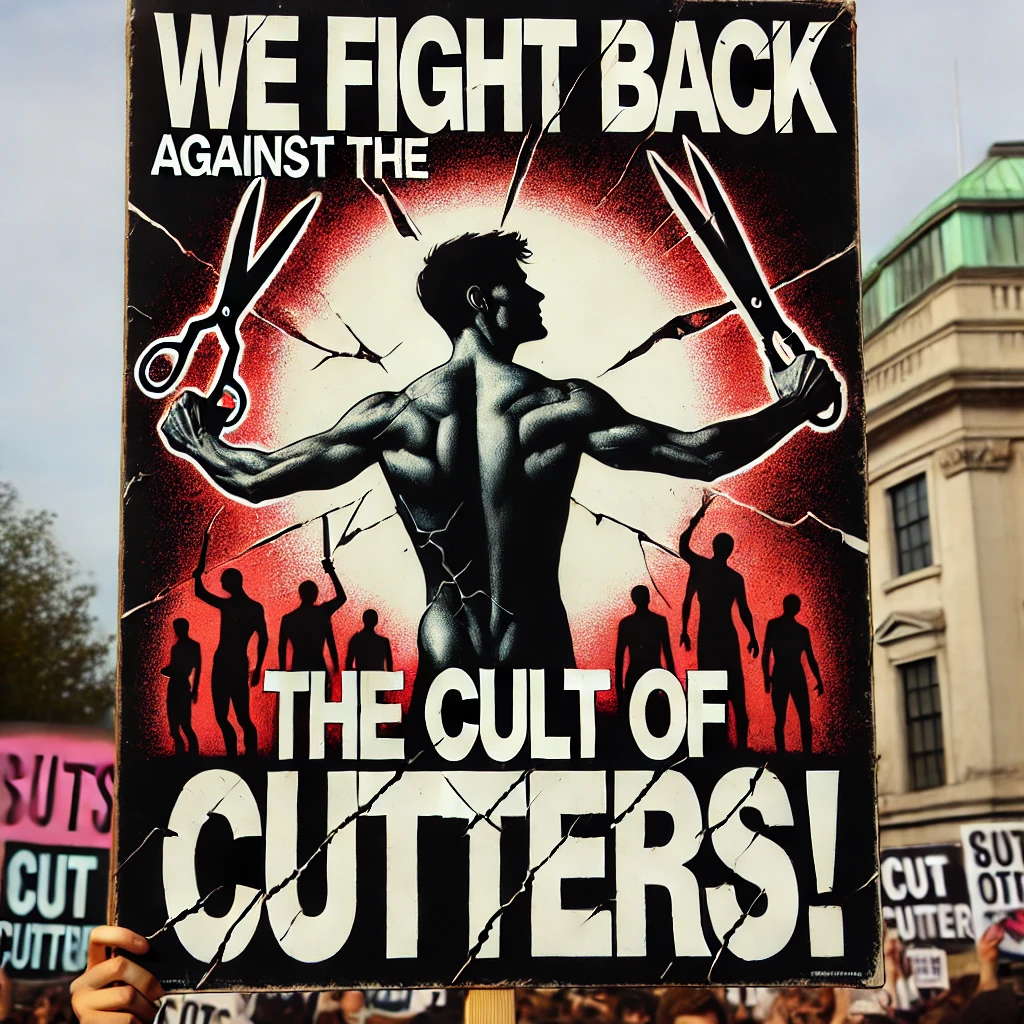
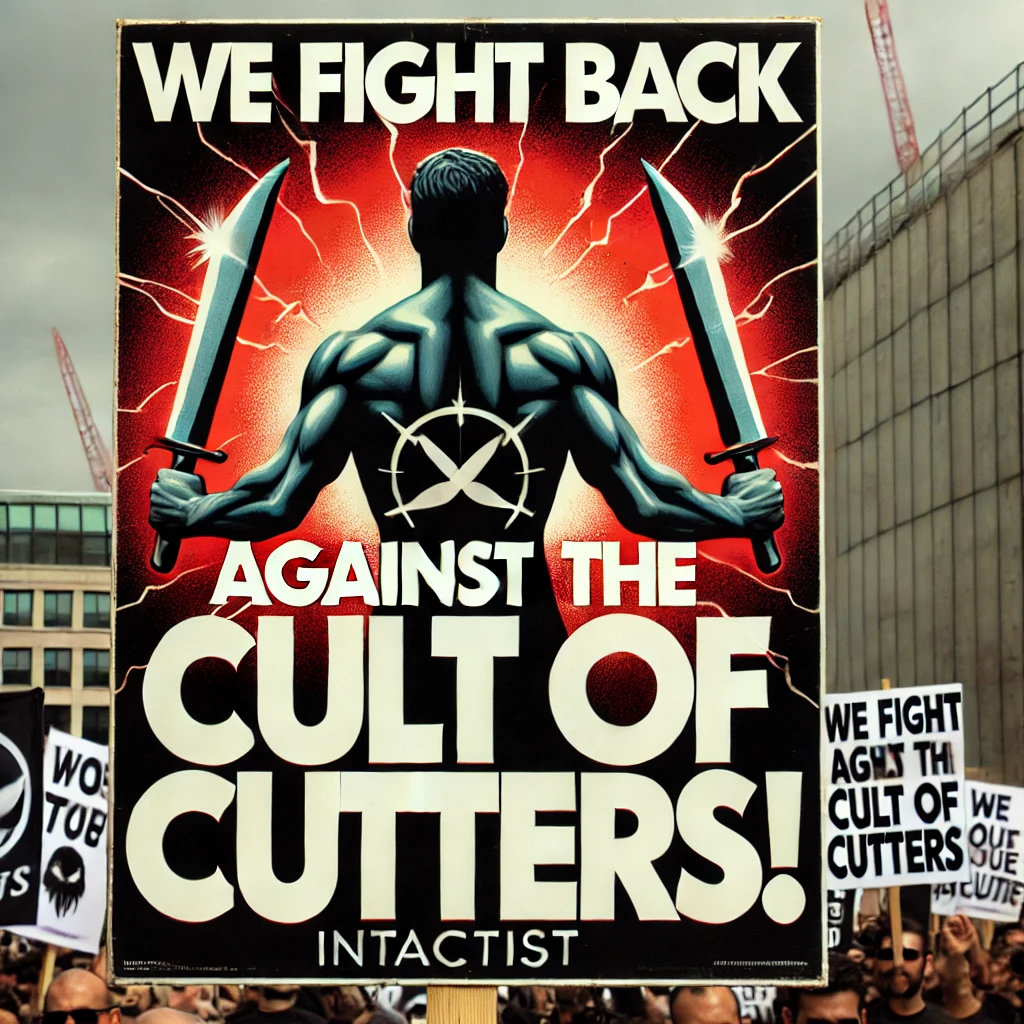
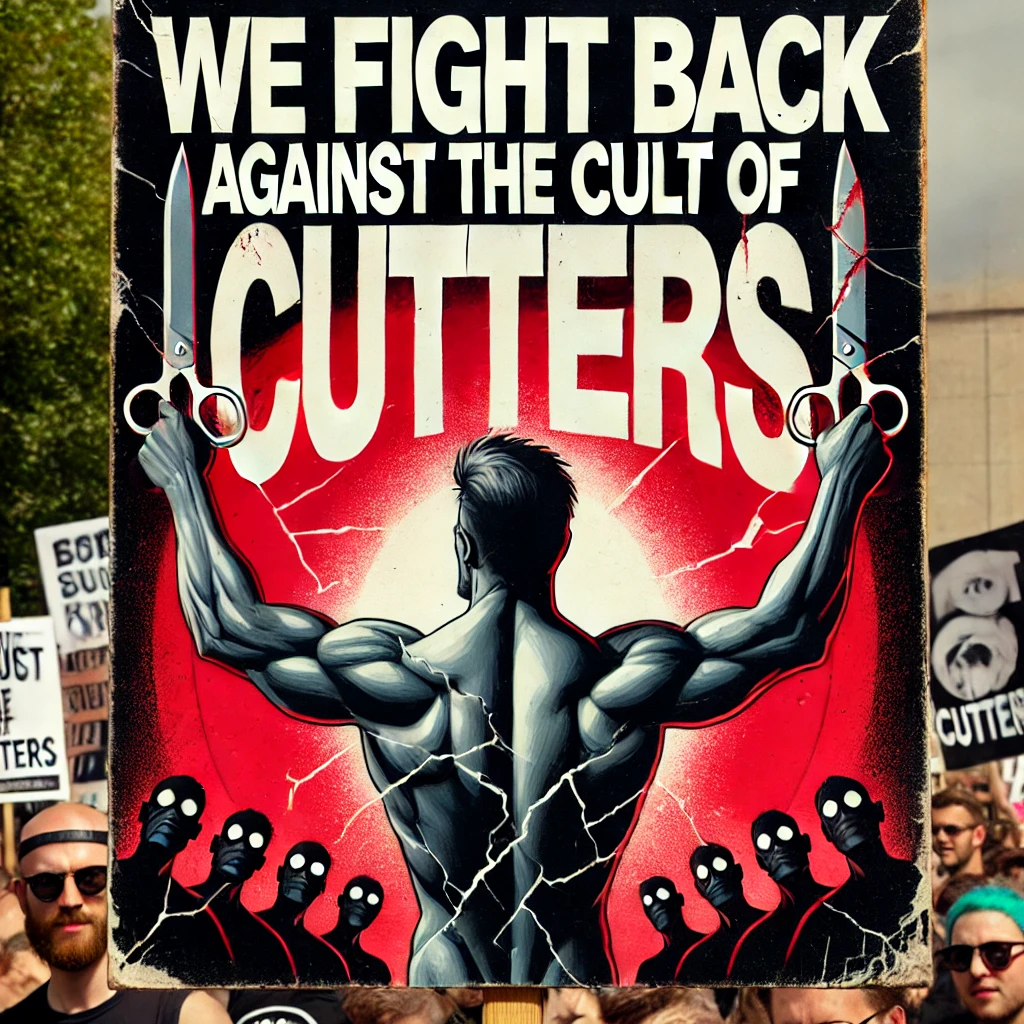
• Support intactivist efforts.
• Start conversations.
🚀 It’s time to break the cycle!
#GenitalAutonomy #Intactivism #StopCircumcision #EndRoutineCircumcision #ProtectBoys #CircumcisionIsHarm #CircumcisionTrauma #MaleBodilyAutonomy #BreakingTheCycle #PsychologicalWounds #HealingFromTrauma #MaleMentalHealth #ForeskinFacts #CircumcisionDamage #SexualHealthMatters #ForeskinRestoration #ErectileDysfunction #HumanRightsForBoys #ConsentMatters #BoysDeserveBetter #GenitalMutilation #SayNoToCircumcision #CutCultureExposed #ForeskinMatters #CircumcisionRegret #MenSpeakOut #KnowTheTruth
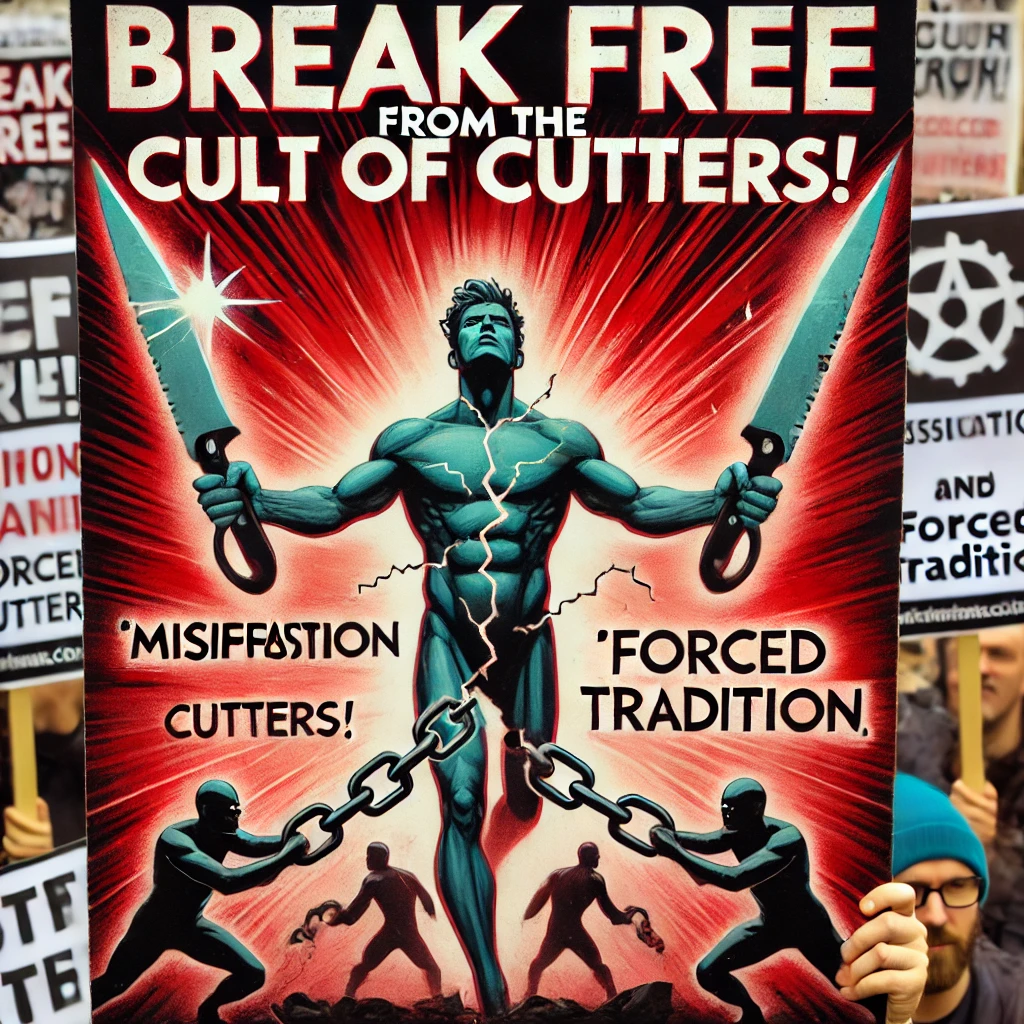
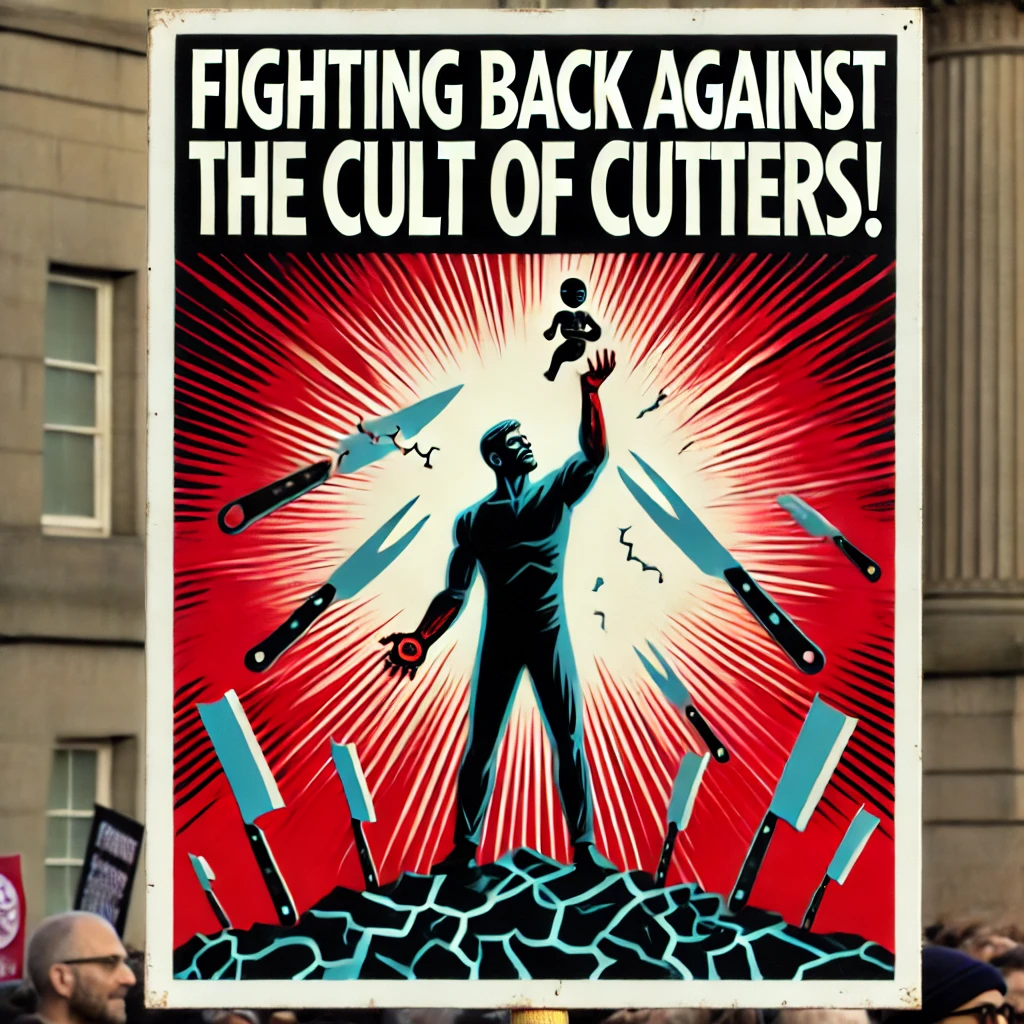
Food for thought, extra bonus:
Why Do Cutters Always Demand Proof? The Cognitive Dissonance of Circumcision Defenders
Circumcised men often demand scientific proof, studies, and endless explanations before they even consider the harms of circumcision—yet they never asked for proof when they were told it was “cleaner,” “better,” or “necessary.”
Why?
Because they cannot grasp what they have lost. Their perspective is limited to a circumcised experience, and anything outside of that challenges their entire identity.
This blog will explore:
1. The Foreigner Syndrome – Why Cutters Cannot Understand What They Never Had
2. Cognitive Dissonance & Emotional Protection – The Real Reason They Demand Proof
3. The Double Standard of Proof – Blind Faith in Circumcision, But Skepticism Toward Its Harm
4. Firsthand Experience vs. Secondhand Justification – Why Intact Men Know, While Cutters Can Only Guess
5. How to Respond When They Demand Proof
1. The Foreigner Syndrome – Why Cutters Cannot Understand What They Never Had
Imagine a person who has been blind since birth asking for “proof” that the color blue exists. No matter how much you try to describe it, they will never fully understand it—because it is beyond their direct experience.
This is the same psychological barrier circumcised men face. They were robbed of an entire sensory experience, yet they insist it was meaningless, simply because they have no reference point.
To them, foreskin is a concept, not a reality.
• They have never felt the gliding mechanism during intimacy.
• They have never experienced the full range of sensation.
• They have never lived in a body with its natural, protective design.
Instead of accepting that they lack the experience to judge, they demand “proof”—as if studies could replicate a firsthand sensory experience.
2. Cognitive Dissonance & Emotional Protection – The Real Reason They Demand Proof
Accepting the truth about circumcision means admitting:
• They were permanently altered without consent.
• Their sexual experience is limited compared to intact men.
• Their parents, doctors, or culture lied to them.
For most, this is too painful to confront. So instead, they:
✅ Deny the loss.
✅ Attack those who speak out.
✅ Demand proof, studies, and impossible levels of evidence.
This isn’t about science—it’s about emotional self-defense.
3. The Double Standard of Proof – Blind Faith in Circumcision, But Skepticism Toward Its Harm
Cutters demand:
• “Where are the studies proving the foreskin is necessary?”
• “Where’s the proof that circumcision harms men?”
Yet they never asked for proof when they were told:
• “Circumcision prevents infections.” (FALSE)
• “Circumcision makes you cleaner.” (FALSE)
• “Circumcision doesn’t affect pleasure.” (FALSE)
They accepted hearsay and cultural myths as fact, but now expect peer-reviewed research to prove the damage they refuse to see.
This hypocrisy exposes their bias—they don’t actually want proof. They want justification for what was done to them.
4. Firsthand Experience vs. Secondhand Justification – Why Intact Men Know, While Cutters Can Only Guess
• An intact man doesn’t need a study to tell him how his body feels.
• He doesn’t need a scientist to confirm his pleasure is better with a foreskin.
• He knows firsthand that the foreskin is an integral part of sexual function.
Meanwhile, circumcised men have no direct experience—only what they were told. Yet they argue as if they are experts on a body they never had.
It’s like a deaf person insisting that music is meaningless—simply because they can’t hear it.
5. How to Respond When They Demand Proof
When a circumcised man demands proof, ask him:
❓ Did you ever demand proof that circumcision was necessary?
❓ Did you ever ask for studies proving that foreskin is useless?
❓ Have you ever questioned why you accept myths about circumcision without skepticism, yet demand scientific proof of its harm?
And most importantly:
❓ How can you judge something you never had?
At the end of the day, intact men don’t need proof—they have experience. The only people asking for proof are the ones who lost the ability to experience it for themselves.
Final Thoughts
The reason cutters always demand proof is because they are protecting themselves from the painful reality of their loss. Until they are willing to confront that truth, no amount of proof will ever be enough.
🔥 Share this to challenge the hypocrisy of Cut Culture. 🔥
🔥 Take Action Against Cut Culture
✅ Challenge the myths—call out double standards when you hear them.
✅ Educate others—share this blog with someone who needs to hear it.
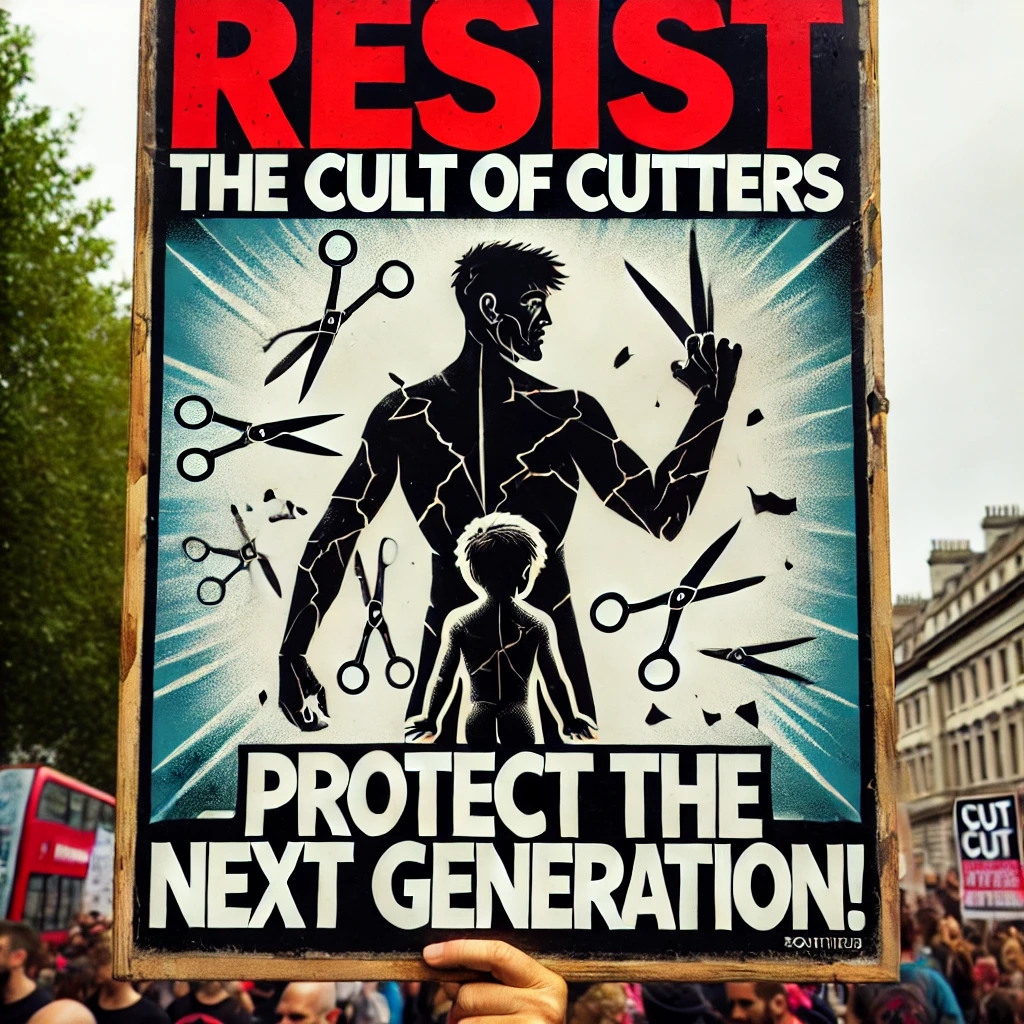
✅ Protect the next generation—speak up for genital autonomy.
🚀 The only way to stop Cut Culture is to expose its lies. Start today.
📢 Want to Know the Truth?
👉 Watch Now: The Truth About Circumcision
Eric Clopper’s explosive, eye-opening presentation exposes the hidden truths about circumcision, its impact on men’s health, and the medical industry’s role in promoting it. If you care about bodily autonomy and human rights, this is a must-watch.
🔗 Sex & Circumcision: An American Love Story – Eric Clopper
🔗 https://youtu.be/FCuy163srRc?si=-I0uSf9MEV06bvY9


Comments
Post a Comment