The Unspoken Impact of Circumcision: Psychological, Physical, and Sexual Consequences
The Unspoken Impact of Circumcision: Psychological, Physical, and Sexual Consequences
“Recognizing the Signs of Loss, How Many Boys Subconsciously Sense What Was Taken Before They Understand It”
Written By ✌️💚🥑🍌 AvocadoJay23 | AdvocatingAvocado
Introduction
Circumcision is often framed as a routine medical procedure or cultural tradition, yet its long-term effects on men remain largely unspoken. While discussions around circumcision tend to focus on health benefits or religious customs, few acknowledge the profound psychological, sexual, and emotional consequences that many circumcised men experience.
For some, the realization that something was taken from them is immediate; for others, it manifests gradually often through an unexplained sense of discomfort, tightness, or curiosity about why their skin does not function as they intuitively feel it should. Many circumcised males, even as young boys, instinctively attempt to pull their remaining shaft skin forward without consciously understanding why. This unconscious awareness of loss is one of the earliest indications that circumcision is more than just a cosmetic alteration it is a permanent modification with lasting consequences.
In this article, we explore:
• How circumcised men subconsciously recognize their loss
• The psychological impact of circumcision and long-term regret
• How circumcision affects male sexuality and sensitivity
• The role of foreskin restoration in reclaiming lost function
Unconscious Awareness of Loss: A Silent Recognition
Many circumcised men experience an instinctive awareness that something is missing before they fully understand what circumcision is. As young boys or teenagers, they may unconsciously try to pull their remaining shaft skin forward, unaware that this motion mimics the natural movement of the foreskin. Some describe an unexplained sense of tightness, a lack of mobility, or a curiosity about why their skin does not glide as they intuitively feel it should.
This subconscious recognition suggests that the body inherently expects a foreskin to be present. The foreskin is not just an arbitrary piece of skin it serves a functional role in providing gliding motion, sensory protection, and heightened erogenous sensitivity. The fact that circumcised males instinctively attempt to recreate this function, even without external influence or prior knowledge, highlights the innate loss caused by the procedure.
As many men grow older and learn more about intact anatomy, they begin to understand what was taken from them. The realization that their youthful attempts to restore movement were, in fact, a subconscious recognition of loss can be profoundly unsettling. This awareness often fuels the journey of those seeking to restore their foreskin, as they attempt to regain what was removed without their consent.
The Psychological Impact of Circumcision: What Many Men Feel But Don’t Talk About
Circumcision is rarely discussed in terms of its psychological consequences. Many circumcised men grapple with feelings of confusion, regret, or anger once they realize the full extent of what was taken from them. This is particularly challenging because society often dismisses or minimizes their emotions, making it difficult to process their experience.
Common Psychological Effects of Circumcision
1. Subconscious Discomfort – Many circumcised men feel an unshakable sense that something is missing, even if they cannot articulate it.
2. Realization of Loss – As they learn more about the foreskin’s function, men often experience frustration, regret, and betrayal.
3. Emotional Suppression – Society conditions men to “accept” their circumcision without question, making open discussions about regret taboo.
4. Anger Towards Parents or Doctors – Some men feel resentment toward those who made the decision to circumcise them, leading to strained relationships.
Circumcision is often performed before an individual can consent. This violation of bodily autonomy can cause distress later in life when men realize they were denied the choice to keep a part of their own body. The psychological impact can range from mild dissatisfaction to deep emotional turmoil, especially for those who experience circumcision-related complications.
How Circumcision Affects Male Sexuality: The Missing Piece No One Talks About
Despite claims that circumcision has no impact on male sexuality, a growing body of evidence and countless personal testimonies suggests otherwise. The foreskin is an erogenous structure with over 20,000 specialized nerve endings, playing a crucial role in sexual pleasure. When it is removed, men experience:
Sexual Consequences of Circumcision
1. Reduced Sensitivity – The exposed glans keratinizes (hardens) over time, dulling sensation.
2. Loss of Natural Lubrication – The foreskin naturally maintains moisture, which is lost after circumcision, leading to dryness.
3. Disrupted Sexual Function – Without a foreskin, the penis relies more on friction for stimulation, which can alter sexual experiences.
4. Potential for Erectile Dysfunction (ED) – Some studies suggest that circumcision may contribute to ED due to reduced nerve function and increased friction.
Many men do not connect these issues to circumcision until much later in life. The cultural normalization of the procedure prevents many from questioning their experience until they learn more about intact male anatomy.
Foreskin Restoration: Reclaiming What Was Stolen
For men who feel circumcision has negatively impacted their lives, foreskin restoration offers a path to regaining some lost function. While the full anatomy including its complex nerve structure cannot be restored, many men report significant improvements in comfort, sensitivity, and sexual function.
How Foreskin Restoration Works
Foreskin restoration involves gradually expanding the remaining shaft skin through techniques such as:
• Manual stretching – Using hands to apply tension.
• Taping methods – Using medical tape to encourage skin growth.
• Devices like the TLC Tugger or DTR – Applying gentle tension over time to grow new skin.
Although the restored foreskin is not identical to an intact one, many men report dramatic improvements in pleasure, mobility, and comfort. More importantly, foreskin restoration provides a sense of empowerment, allowing men to reclaim control over their own bodies.
Conclusion: Breaking the Silence on Circumcision’s Impact
For too long, the negative effects of circumcision have been ignored, downplayed, or dismissed.Many circumcised men live with the unspoken burden of knowing something is missing sometimes without even realizing it until much later in life.
• The psychological effects of circumcision can lead to regret, anger, and emotional distress.
• The sexual consequences of circumcision include reduced sensitivity, dryness, and altered function.
• The physical loss of the foreskin is something many men instinctively recognize, even before they fully understand it.
• Foreskin restoration offers a chance to regain some of what was taken, both physically and emotionally.
It is time for an open, honest discussion about the true impact of circumcision. The more men speak out, the more society will be forced to recognize that circumcision is not just a harmless procedure it is a permanent alteration with lasting consequences.
Circumcision Took More Than Skin, It Took Choice, Sensation, and Awareness.
✌️💚🥑🍌 – AvocadoJay23 | AdvocatingAvocado
#ForeskinRights #CircumcisionRegret #IntactGenitalsMatter #EndRoutineCircumcision #BodilyAutonomy #MyBodyMyChoice #StopForcedGenitalCutting
#CircumcisionTrauma #HealingFromCircumcision #LostButNotForgotten #UnconsciousAwarenessOfLoss #CircumcisionTruth
#CircumcisionHarms #LostSensitivity #ProtectMalePleasure #ForeskinMatters #BringBackTheGlide
#ForeskinRestoration #ReclaimWhatWasTaken #RestoreYourForeskin #RestoringWhatWasStolen #TLCtugger

“Searching for what was stolen, finding strength in what remains. The journey to wholeness begins with awareness.”

“You didn’t get to decide, but you still feel what’s missing. Circumcision isn’t just a procedure it’s a lifelong reality.”

“A fragmented reflection one part lost forever, the other still searching for answers. Circumcision isn’t just a scar; it’s a realization.”
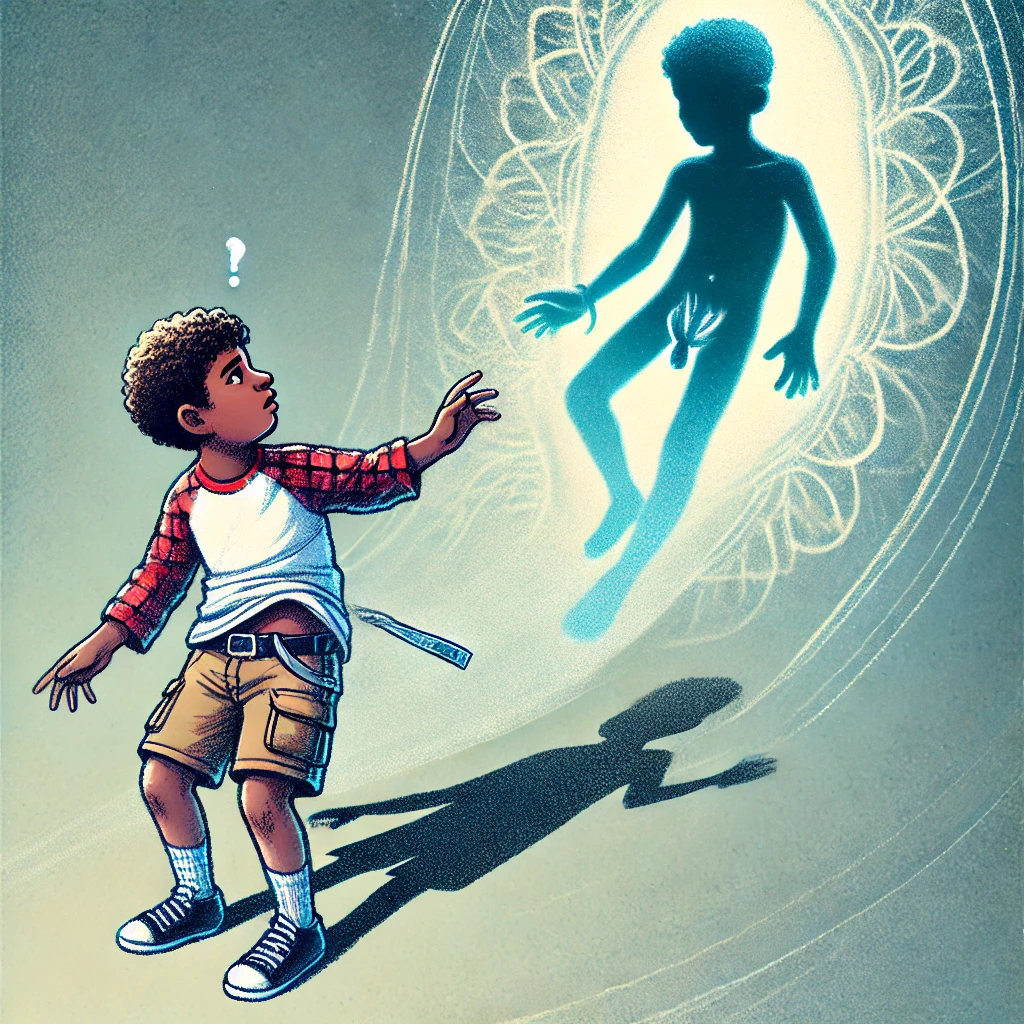
“The body knows before the mind understands. A missing piece, an unspoken loss, a question never answered.”

“They told you it didn’t matter. But what was taken was meant to stay. Some losses are felt even in silence.”
1. “Something Was Taken. The Body Remembers.”
2. “Circumcision Is More Than a Cut, It’s a Loss.”
3. “Reclaim. Restore. Remember.”
4. “The Missing Piece Was Never Yours to Give Away.”
Integrate five new sections:
The Unspoken Impact of Circumcision: Psychological, Physical, and Sexual Consequences
“Recognizing the Signs of Loss, How Many Boys Subconsciously Sense What Was Taken Before They Understand It”
Introduction
Circumcision is often discussed in terms of medical benefits or cultural traditions, yet its deeper, long-term effects remain largely unspoken. Many circumcised men report a subconscious awareness that something is missing long before they fully understand what circumcision entails. This realization often leads to psychological distress, questions about bodily autonomy, and even efforts to reverse some of the damage through foreskin restoration.
This article explores how circumcision affects men physically, psychologically, and sexually beginning with how many boys recognize their loss before they can even articulate it.
1. Personal Testimonies & Case Studies: Men Who Knew Something Was Missing
While circumcision is often performed in infancy, many men report an early, instinctive awareness that something was wrong long before learning what circumcision was.
• Some describe trying to pull their remaining shaft skin forward as children, not realizing they were attempting to mimic the natural function of the foreskin.
• Others recall feeling discomfort or tightness that they could not explain until later in life.
• Some men have shared stories of seeing an intact male for the first time whether a sibling, father, or peer and suddenly questioning why their own body looked different.
Case Study: The Moment of Realization
“I remember being around 10 years old and pulling on the skin of my shaft, thinking, ‘Why doesn’t this move more?’ I had no idea about circumcision at the time, but something about it felt unnatural. Years later, I learned that my body was supposed to have a gliding mechanism, and it hit me like a brick I had been trying to restore something I never even knew I lost.” – Anonymous, 28
These personal experiences demonstrate that circumcision is not just a physical procedure it has deep, lasting effects on how men perceive their own bodies.
2. Scientific and Medical Insights: What Circumcision Removes
The foreskin is not just extra skin it plays an essential role in male sexual function, protection, and sensation. Studies have shown that:
• The foreskin contains over 20,000 specialized nerve endings, which are lost during circumcision.
• The gliding mechanism of the foreskin reduces friction and enhances sexual pleasure.
• The glans is naturally an internal organ, meant to remain moist and protected; circumcision exposes it, leading to keratinization (hardening and desensitization).
• Many circumcised men experience reduced sensitivity over time due to the gradual thickening of the glans’ surface.
Medical Research on Psychological Effects
• Studies indicate that circumcision can cause early-life trauma, as the pain experienced during infancy affects neurological development.
• Some research suggests circumcision may contribute to erectile dysfunction (ED) due to nerve loss and reduced sensitivity.
• Circumcised men who learn about foreskin function later in life often report emotional distress, grief, and regret.
Despite these findings, circumcision remains widely accepted, with little public discussion about its long-term consequences.
3. Cultural & Historical Perspectives: How Circumcision Became Normalized
Circumcision has been practiced for centuries, but its widespread medicalization in the U.S. is a relatively modern phenomenon.
• In the late 1800s, circumcision was promoted as a cure for masturbation and was believed to reduce sexual pleasure to enforce moral purity.
• Over time, it became a routine practice in hospitals, largely for non-medical reasons.
• Today, the U.S. remains one of the few developed countries that routinely circumcises infants, while most of Europe and other nations do not.
Comparing Circumcised vs. Intact Cultures
• In Europe, South America, and most of Asia, the majority of men remain intact, with no increase in infections or hygiene issues.
• In contrast, in countries where circumcision is common, men rarely question its necessity until they learn what was taken from them.
This historical shift shows that circumcision was not based on necessity but on outdated beliefs, many of which still persist today.
4. Expanding on Youth Awareness: How Boys Realize Something Was Taken
Many boys recognize that their body is missing something long before they learn about circumcision.
• Some ask their parents why their penis looks different from others.
• Others instinctively try to restore their foreskin by pulling on their remaining shaft skin.
• When they finally learn about circumcision, many feel a deep sense of betrayal—realizing that they were permanently altered without their consent.
Psychological Impact of Learning the Truth
• Confusion: Many circumcised men initially believe their anatomy is “normal” until they learn otherwise.
• Frustration: Discovering that circumcision removes sensitivity and function can trigger resentment.
• Grief and Anger: Some experience a mourning period, grappling with the reality that their body was altered without their consent.
This early awareness of loss is why so many circumcised men later seek answers, leading them to the intactivist movement and foreskin restoration.
5. Solutions and Advocacy: What Men Can Do Moving Forward
For those who feel affected by their circumcision, there are steps they can take to regain control over their bodies and advocate for informed choices.
Foreskin Restoration: Reclaiming What Was Lost
Although the foreskin’s nerve endings cannot be regrown, foreskin restoration allows men to:
• Regain some gliding function and improve sexual sensation.
• Reduce keratinization on the glans, increasing sensitivity.
• Feel a sense of bodily autonomy, taking back what was taken from them.
Common restoration methods include:
• Manual stretching using fingers to gradually expand skin.
• Taping methods to encourage new skin growth.
• Devices like the TLC Tugger or DTR, which use gentle tension to restore lost coverage.
Advocacy & Spreading Awareness
• Educating new parents so they can make informed decisions.
• Speaking out about the realities of circumcision’s impact.
• Joining the intactivist movement to push for laws protecting genital autonomy.
Conclusion: It’s Time to Talk About Circumcision’s Impact
For too long, circumcision’s consequences have been ignored. The loss is real even if it is never openly discussed.
• Many men subconsciously recognize their loss before understanding what circumcision is.
• The psychological and sexual effects of circumcision can last a lifetime.
• Circumcision was normalized based on outdated beliefs rather than medical necessity.
• Foreskin restoration and advocacy provide paths toward healing and awareness.
It’s time for an open, honest discussion about what circumcision takes from men—and why the next generation deserves the right to choose for themselves.
1. The Psychological Impact of Circumcision
This article explores the profound psychological effects circumcision can have, including feelings of loss and dissatisfaction reported by some men.
https://www.cirp.org/library/psych/goldman1/
2. Foreskin Restoration: Benefits, Risks, and Techniques
This resource discusses the anatomical functions of the foreskin and the implications of its removal, as well as methods for restoration.
https://www.medicalnewstoday.com/articles/foreskin-restoration
3. Foreskin Restoration - Wikipedia
This Wikipedia entry provides an overview of foreskin restoration, including both surgical and non-surgical methods.
https://en.wikipedia.org/wiki/Foreskin_restoration
4. The “Intactivists” Campaigning Against the Cut
This article from The New Yorker delves into the movement opposing routine circumcision and highlights cultural shifts regarding the practice.
https://www.newyorker.com/magazine/2025/02/17/the-intactivists-campaigning-against-the-cut
5. Study Shows Infant Circumcision Has Delayed Psychological Complications
Research indicating that circumcision performed during infancy can lead to delayed psychological effects, potentially impacting individuals later in life.
https://www.news-medical.net/news/20201217/Study-shows-infant-circumcision-has-delayed-psychological-complications.aspx
6. Foreskin Restoration: Is It Possible with or Without Surgery?
An article discussing various methods of foreskin restoration, including non-surgical techniques and their potential benefits.
https://www.healthline.com/health/mens-health/foreskin-restoration
7. Foreskin Restoration 101: An Introduction
This resource provides a comprehensive introduction to foreskin restoration, covering motivations, methods, and expected outcomes.
https://15square.org.uk/foreskin-restoration-101-an-introduction/
—————————————
📢 Want to Know the Truth?
👉 Watch Now: The Truth About Circumcision
Eric Clopper’s explosive, eye-opening presentation exposes the hidden truths about circumcision, its impact on men’s health, and the medical industry’s role in promoting it. If you care about bodily autonomy and human rights, this is a must-watch.
🔗 Sex & Circumcision: An American Love Story – Eric Clopper
🔗 https://youtu.be/FCuy163srRc?si=-I0uSf9MEV06bvY9


Comments
Post a Comment